













Key Takeaways
- Fizz claims 95% of UCO students use the app, but a small campus survey found only nine of 30 students had it.
- High upvote totals on Fizz posts raise questions about whether engagement on the app reflects actual student use.
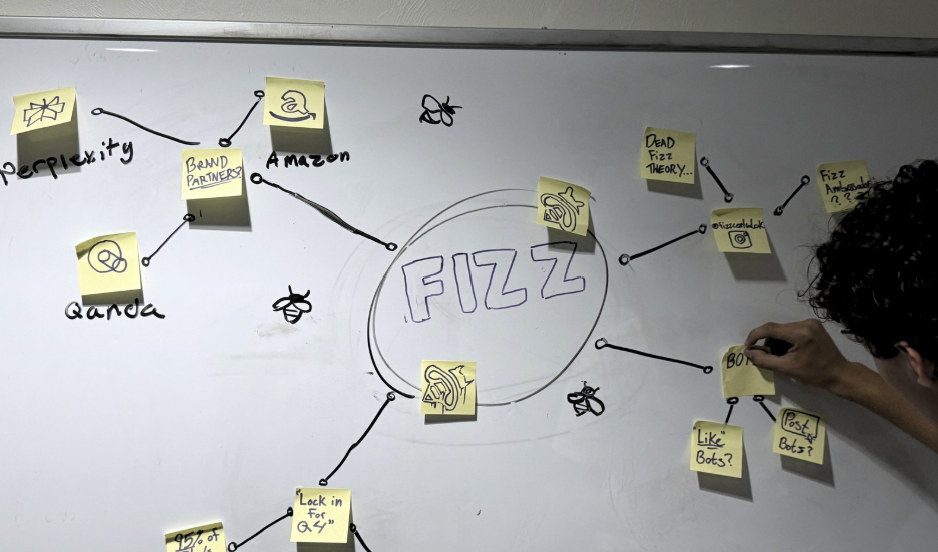
During my first semester at UCO, I met an international student named Martin Rottwilm. Martin had an interest in the anonymous messaging app Fizz and would post from time to time, enjoying the app as it was intended. In one post, he attached a video of him telling a dog to “lock in for Q4,” referring to the fourth quarter of a fiscal or calendar year. The Fizz post got over 1,000 upvotes. He repeated the phrase often, but it didn’t seem people understood he was referencing his popular Fizz post.
One day when I saw Martin in 1890, he asked me if I used Fizz and if I had seen the joke. I had seen the joke on the app, but he told me even some Fizz users he spoke to had no idea what he was referring to. He said he spoke to many people who hadn’t heard of the app. Martin then accused the app of being filled with bot activity, a thought that had never occurred to me.
The possibility of bot activity on a small college campus app seemed ridiculous at the time. Fizz’s appeal to me is like a less stimulating alternative to the social media I’m regularly used to, platforms that have become plagued with bot activity. I hoped Fizz would be different, but after some research, the authenticity of the app is in question.
Fizz first came to UCO’s campus in 2024, hiring ambassadors to get students to download the app. Along with the app’s arrival came the “fizzcentralok” Instagram account. In the bio of this account, it claims that Fizz is “the app used by 95% of UCO students.” Martin said he spoke to a number of students who didn’t use Fizz, some who have never even heard of it. I took to campus to do research, asking students if they used the app. In a brief survey of students at the Nigh Center during lunch hours, nine of the 30 students surveyed said they had the app and 21 did not.
Top Fizz posts usually reach over 1,000 upvotes, while average posts receive 300 to 400. In both my survey and conversations, there appears to be limited use of the app. The app claims to be used by 95% of UCO students and appears to fall short of that number. For a company seeking the appearance of high engagement, bots would be one possible method. In Fizz’s case, this could take the form of upvote bots.
I have suspected bots are not just liking posts, but commenting and posting as well. The majority of students I spoke to disagreed with me about the presence of bots posting and commenting on Fizz, and I could not find concrete evidence of bots of this nature in my research. However, I found a strong indicator. On the Fizz Campus Communities website, there is a tab where a company can express interest in becoming brand partners with Fizz. They have three current brand partners listed in large moving text at the top of the screen. These include QANDA, Perplexity, and Amazon. Perplexity and QANDA are both AI tools, while Amazon is among the biggest investors in the sector.
The presence of bots on Fizz in some way is likely. It would not be surprising given the current trends of social media, which are overrun with bots and AI content. Bots on apps are used to simulate engagement but take away from the overall authenticity of their social aspect. With the strong possibility of upvote bots on Fizz, it’s impossible to know whether popular content reflects genuine engagement or is artificially boosted. I have not been the only person to raise the question of bot activity on Fizz, and whether or not you believe there is bot activity, the fact that people are asking this question suggests Fizz has an authenticity issue.


