









Cinema has never had a shortage of kissing, yearning, undressing, or making things awkward for teenagers watching a film with their parents. But in a post #MeToo era world, conversations about intimacy in film began to evolve quite vastly. What were once questions of performance slowly shifted into discussions about consent, communication and a push for actor safety both on and off camera. This change was the direct focus of a panel discussion hosted by the 26th annual Dead Center Film Festival, where industry filmmakers shared their perspectives on portraying these authentic relationships on-camera while still maintaining professional standards and safety behind them.
Taking place on Jun. 11 at the Oklahoma Contemporary Arts building in OKC, as a part of the DeadCenter Film Festival, the selected speakers were Ian Campbell, Morgan Bryant, Paris Burris, Liz Moskowitz and Kate Melton, with Xavier Santiago as moderator.
What is an intimacy coordinator?
Often compared to stunt directors for intimate scenes, intimacy coordinators play a crucial role in planning and overseeing scenes that involve physical intimacy, nudity, or simulated sex. They work with actors, directors and staff to ensure the comfort and safety of actors during the filmmaking process.
Following the allegations of sexual misconduct against Harvey Weinstein in 2017, the #MeToo movement grew to encourage performers to speak out against coercion and harassment and opened the doors for conversations about the importance of a coordinator on set.
Santiago: What do you think effective intimacy on-screen is, and how is it achieved?
“Effectiveness is gonna be judged by the audience. It also depends on the subject matter of the script. It’s gonna be different from product to product. As far as how to achieve it, I think having an intimacy coordinator is huge,” said Campbell, a director and producer who worked as one of the assistant directors for The Drama (2026) starring Robert Pattinson and Zendaya.
Santiago: How do you know if your production needs an intimacy coordinator? Or should every production staff have one?
Morgan Bryant, filmmaker and aspiring intimacy coordinator, took the lead in responding.
“Intimacy coordinators are required per SAG-AFTRA whenever there is nudity or simulated sexual contact. But also an actor has the right to request one for anything. Anything that they feel they might need an intimacy coordinator for, they are free to request one,” said Bryant.
Throughout the panel, speakers emphasized how intimacy extends beyond romantic or sexual interactions. The bonds of friendship or moments of personal connection can both require careful planning and communication.
“Intimacy in every single one of its forms is, always has been, and always will be part of the human experience. Stories are about the human experience, so intimacy has its place in there” said Bryant.
“Heated Rivalry. Obviously that’s going to be required because it’s based on an existing piece of media where that’s a very huge selling point and a huge reason that storyline works. So of course if you made an adaptation of that novel and you didn’t put it in there, it wouldn’t go well with audiences,” said Paris Burris, an Oklahoma-born filmmaker and programmer.
When the panel opened the floor for questions, Jessey Kollie, a reporter for The Independent View, made an inquiry.
Kollie: Are there any areas you think may be lacking or that you would want to see improved?
“More education opportunities for it, especially in the state,” said Melton.
“What I have been seeing from others in the intimacy coordinator movement is a need for there to be a greater representation of other kinds of voices, specifically LGBTQ voices and people of color. It’s important to be able to represent the best interests of everybody they might be serving,” said Bryant.
What is Dead Center Film Festival?
Beginning as a gathering for independent filmmakers in 2001, the festival has become Oklahoma’s largest film festival, earning its name for Oklahoma City being located near the center of the United States.
Providing and Pushing Forward Oklahoma’s Next Generation of Performers
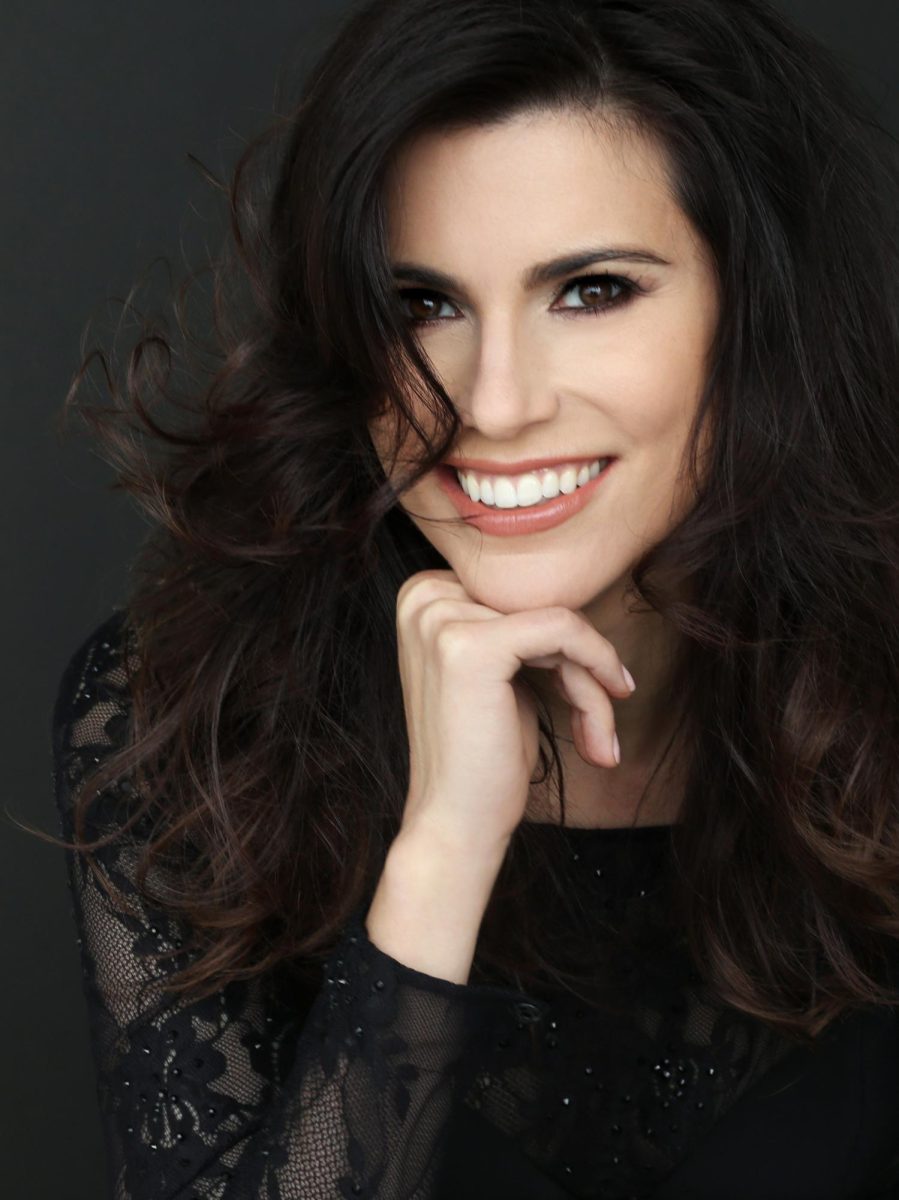
Following the panel, Kate Melton spoke with Kollie about her work with aspiring performers in Oklahoma.
“I turned my love for acting toward working primarily at the beginning with young actors, giving them an advocate and a coach. Someone that I would’ve needed when I was in the industry,” said Melton.
Some readers may remember Melton from Cartoon Network’s two live-action Scooby-Doo films: Scooby-Doo! The Mystery Begins (2009) and Scooby-Doo! Curse of the Lake Monster (2010)
In the time since then, Melton has worked extensively in film and television, showcasing a dedicated commitment to actor development through her Oklahoma City-based acting studio.
“I moved to Oklahoma City during COVID, from Los Angeles, after I was pregnant with my first child. I wasn’t planning to open a studio or anything here. Then I started meeting some of the actors in the community, and they all said, ‘We need somewhere to train that’s up to date with LA and everything.’ So I ended up starting with one class, and it ended up snowballing into a pretty large studio here in the city,” said Melton.
According to Melton, the studio focuses on helping actors develop confidence, technique and practical experience to prepare them for opportunities within Oklahoma’s growing film industry and beyond.
“Not only do we do scene study classes, but I also help actors prep for auditions.
I have a client right now that just got done filming the Victorious spinoff in Vancouver. He’s from Shawnee. We also have a company called Be Reel, where we write, produce and film actors’ footage.”
Readers can find Melton and her studio on Instagram @katemeltoncoaching, or reach out to her via email at [email protected]
“There are tons of careers out there that 10 years ago maybe wouldn’t have been possible for someone that lived in Oklahoma or in a smaller town,” said Melton, “but since COVID, those opportunities have greatly expanded. So don’t think that something’s unattainable just because we’re worried about it.”
