












- While discussing the Renee Good shooting on Flash Point, UCO President Todd Lamb recalled Secret Service training that instructed officers to shoot a driver if a vehicle moves toward them.
- Federal use-of-force policy allows deadly force only when no reasonable alternative exists and bars its use solely to stop a fleeing subject.
- Legal experts and former federal trainers say agencies have moved away from shooting into moving vehicles because of the risks to bystanders and officers.
WHAT LAMB SAID
“The instructor said that person’s driving a deadly weapon, which is a vehicle. You shoot the driver.”
— Todd Lamb, Flash Point, Jan. 11
WHAT FEDERAL POLICY SAYS
DHS policy allows deadly force only when no reasonable alternative exists and bars its use solely to stop a fleeing subject.
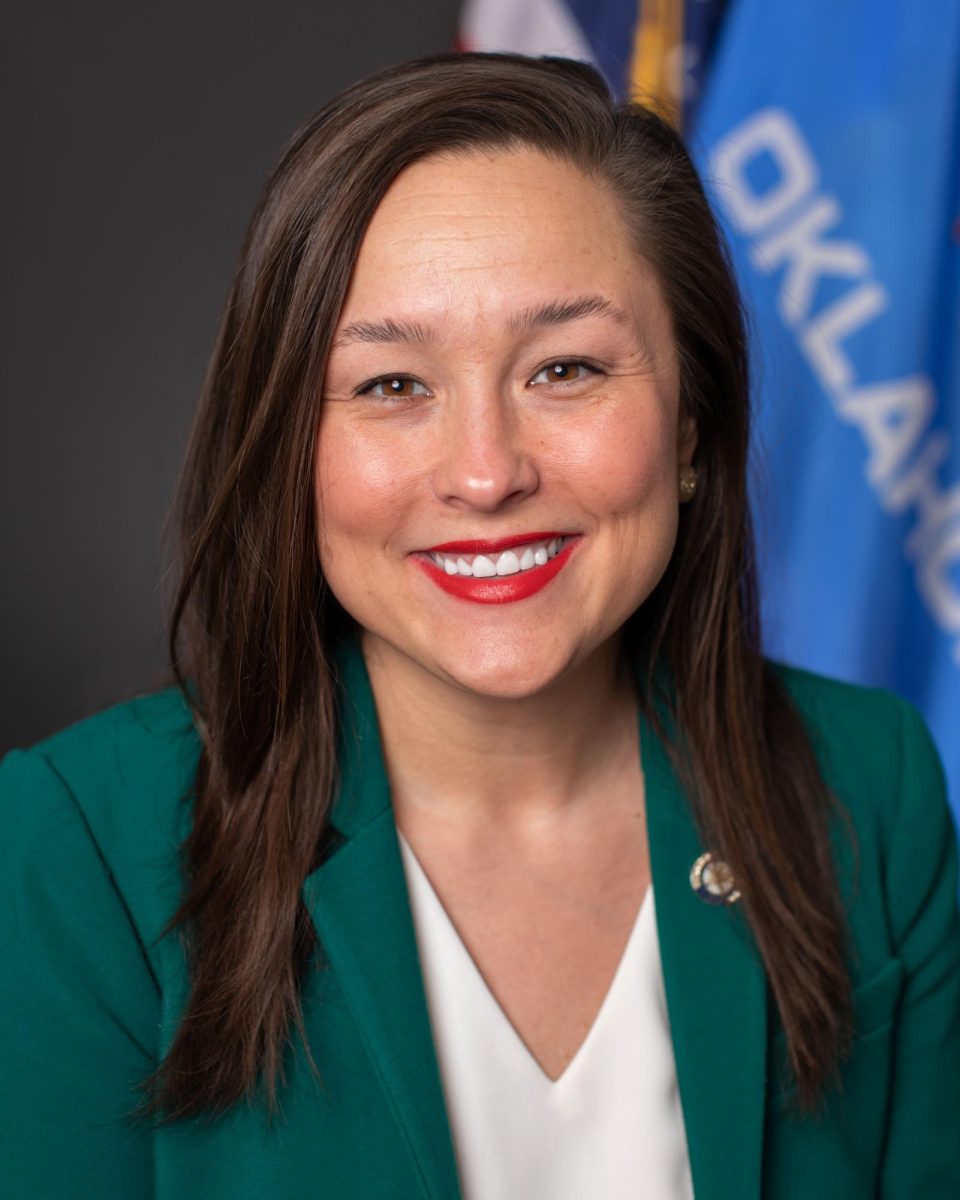
University of Central Oklahoma President Todd Lamb weighed in publicly on the fatal shooting of Renee Good by an Immigration and Customs Enforcement officer during an episode of KFOR’s political talk show Flash Point, as the shooting continues to draw protests, investigations and conflicting accounts.
The episode aired shortly after the 37-year-old mother was shot and killed on Jan. 7, 2026, during an encounter with ICE officers in Minneapolis. Homeland Security Secretary Kristi Noem said the agent acted in self-defense after Good used her vehicle as a weapon. Minneapolis Mayor Jacob Frey and other city officials disputed that account, saying evidence did not support that claim. As the panel debated competing narratives, Lamb repeatedly framed the shooting through his own law enforcement training.
“With my law enforcement hat on,” Lamb said, “I remember specifically being in the Secret Service Academy and doing what’s called a felony vehicle stop.”
He recalled a fellow trainee asking what an officer should do if the vehicle accelerated toward him.
“The instructor said that person’s driving a deadly weapon, which is a vehicle,” Lamb said. “You shoot the driver.”
“Just because it’s a car doesn’t mean it is not a deadly weapon,” he said. “If you’re driving a vehicle toward a law enforcement officer, that’s a deadly weapon that can kill people.”
Co-host Mike Turpen, a former Oklahoma attorney general and former chair of the Oklahoma Democratic Party, pushed back, emphasizing that Good was legally present and unarmed.
“Renee Nicole Good,” Turpen said, repeating her name. “A thirty-seven year old mother, not any kind of felon or anything. Driving a car there legally, as a part of a team that was observing what was going on.”
Turpen said video showed the agent firing through the vehicle’s window and windshield and said doctors were prevented from rendering aid.
“We can look at the video ourselves,” Turpen said. “Everybody can decide for themselves whether he was threatened or not. He fired three times through her window and through the windshield, and it makes me sick.”
Lamb acknowledged he had not reviewed all available footage and called the death “tragic” and “preventable in many different aspects.” But he continued to frame the agent’s actions through training he said ICE agents receive.
“Well, these ICE agents are trained. Obviously that ICE agent did feel threatened by an instrument that kills people,” Lamb said. “A vehicle.”
According to the Department of Homeland Security’s use-of-force policy, officers may use force “only when no reasonably effective, safe, and feasible alternative appears to exist” and only at a level that is “objectively reasonable” under the circumstances. The policy bars the use of deadly force solely to prevent the escape of a fleeing subject.
Reporting by the Associated Press notes that the New York City Police Department barred officers from firing at or from moving vehicles after a 1972 shooting that killed a 10-year-old passenger and sparked protests.
Researchers in the late 1970s and early 1980s later found that the policy, along with other use-of-force limits, helped reduce bystanders being struck by police gunfire and led to fewer deaths in police shootings.
“A general practice was that they went away from shooting into moving vehicles,” said Marc Brown, a former ICE trainer, in an interview with Hearst Television’s National Investigative Unit. “Because even if you neutralize the driver, now the vehicle is still going.”
Video of the shooting shows Good’s vehicle continuing forward after she was shot, eventually striking two parked cars. The debate over federal use of force intensified following the Jan. 24, 2026, killing of 37-year-old Alex Pretti by federal agents in Minneapolis. Former ICE field office director Darius Reeves reviewed video of the encounter alongside DHS policy with Hearst Television’s National Investigative Unit and said officers failed to reassess their use of force once resistance appeared to stop.
“Absolutely not,” Reeves said when asked whether deadly force was used correctly in that case.
Under DHS rules, agents are required to reassess force continuously and intervene if they witness another agent using excessive force. The policy states that agents who use excessive force, or who fail to report or intervene, may face penalties.
A former Republican lieutenant governor, Lamb continues to appear regularly on Flash Point, a biweekly political talk show moderated by Kevin Ogle, where he comments on national and state political issues while President of a public university.
Lamb’s comments on the Good shooting aired during the Jan. 11 episode of Flash Point. He did not appear on the following broadcast. When Lamb returned in a subsequent episode, he did not address the Jan. 24 killing of Alex Pretti.
On Wednesday, Jan. 28, The Independent View requested an interview with Lamb through UCO Communications to clarify his comments, discuss more recent incidents, and address how his training perspective aligns with current federal policy. The university did not respond by Feb 1.
Multiple investigations into the Minneapolis shootings remain ongoing as officials determine whether federal agents complied with DHS training standards and use-of-force rules.


