










- Repeated flooding at UCO’s Suites is no longer an accident, but a pattern
- Students face displacement and disruption without clear warning or answers
- Universities owe residents safe housing and transparency
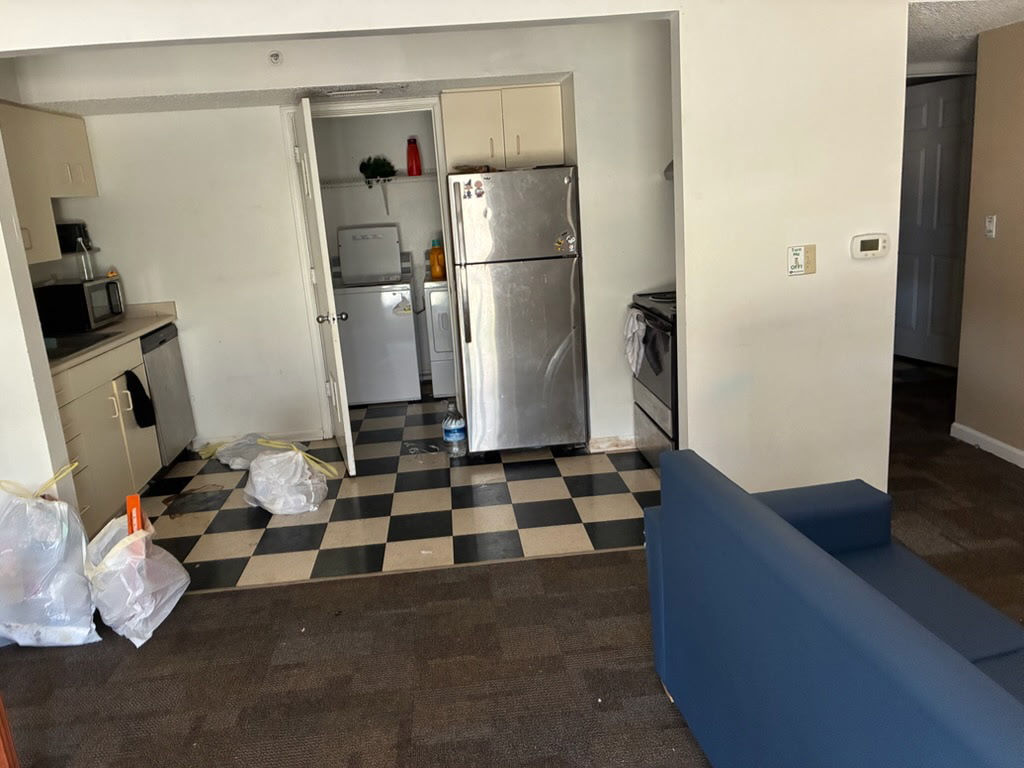
“The Suites building has flooded again” is a phrase that wouldn’t shock anyone, except the students currently living there. Dealing with pipe issues, mold residue and other problems a Suites resident could talk your ear off about is one thing. You could chalk that up to the usual dorm complaints, but flooding is far more serious.
Once is an accident. Twice is a coincidence. Three times is a pattern.
So what can be said about a residence hall on the University of Central Oklahoma’s campus flooding twice?
The question alone should stop us in our tracks. This is developing into a pattern of property damage, displacement and disrupted student lives. This is no longer a one-off inconvenience or plain bad luck, and it demands accountability.
I know this because I lived through it.
In January 2024, during my first year at UCO, I was informed by a fellow Suites resident that our dorm building had flooded. I remember feeling overwhelmed by dread and confusion. What should I do? How bad is the damage? Why hasn’t the school said anything? I then had to inform my roommate of what had happened. He was just as shocked as I was. At first I held out hope for a good ending. I hoped that once the fans dried the water, I could ease back into normalcy and finish the semester. I had just managed to find my flow in my studies and was beginning to look into journalism with The Vista, the campus newspaper, which was still publishing in print at the time. The flood upended my life. The university informed us that several residents, including me, would not be able to remain in our rooms and would be relocated to another building. I didn’t even have the option of being moved to a new space with my roommate, whom I had become familiar and comfortable with. I was being told I’d have to get accustomed to sharing a space with another stranger. At the time of the flood, I was dealing with undiagnosed ADHD and anxiety, so I wasn’t very receptive to the added stress. This led me to move back home with my parents and commute. My parents’ home was only 30 minutes from campus. What could go wrong?
Everything did.
My classes were early, and between the commute and UCO’s parking problems, I found myself losing time and energy before the day even began. Eventually, my motivation faded, my grades started slipping, and I had to quit my job because I had no time for anything.
This is my account of the domino effect the flood had on my life. I can guarantee you there are many students who have had it much worse as a result of these floods.
Students and parents are paying thousands of dollars to live in these dorms without being told about potential risks. Each year, without fail, the university appears to patch the problem just well enough to open the building for the fall and keep this frustrating cycle of negligence going. Does no one see the issue? Are we not tired of being treated like wet wallets?
The lack of transparency does not help matters.
Residents are not given clear warnings or told about these building issues before housing contracts are signed. The information is withheld and students are left completely unaware until their lives are disrupted by another emergency move-out. Resident assistants and faculty members closest to affected students are effectively silent, leaving students without clear answers and protecting the institution from scrutiny.
When firsthand witnesses to problems are unable or unwilling to speak freely, it leads to the spread of misinformation as students have no choice but to ask other students who may only be vaguely aware of the incident.
“What happened to the Suites?”
“Oh, the pipes burst.”
“Didn’t that happen already? And why is it always the Suites?”
“I don’t know.”
“Do we know why they keep bursting? The other buildings don’t have that issue.”
At a certain point, someone has to wonder whether the information is withheld on purpose.
In a world where information can mean life or death, why are students forced to play a game of telephone? It isn’t fair to students or staff when credibility and trust is lost between those under protection and those meant to protect them.
Universities are not just landlords. They have a responsibility to care for the students and communities housed within them. With that role comes an obligation to be honest, proactive and accountable, especially when the same preventable crisis happens time and time again.
Residents deserve transparency; they deserve safe housing and they deserve to know the truth before signing contracts and unpacking their lives, trusting that the institution responsible for them is acting in good faith.
But until then, students will continue to pay the price for problems they were never warned about due to the culture of silence surrounding them.
That is unacceptable.


