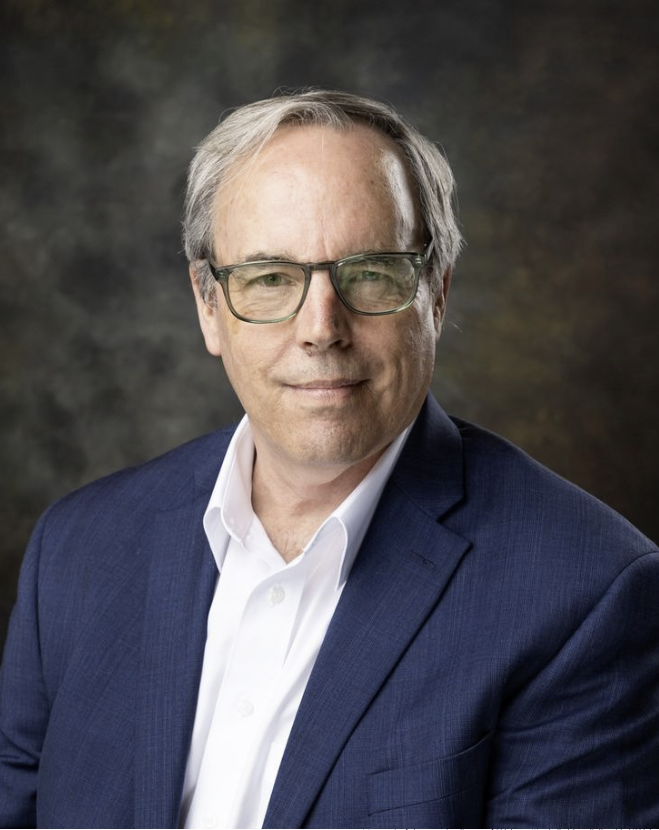









January 1969: As Paul Lehman walked into his first classroom, about a dozen students stood up and walked out.
“They realized I was going to be their professor,” Lehman said. “After the dust settled, I said, ‘Are you ready to get started?’”
It was a defining moment for Lehman’s historic career at the University of Central Oklahoma, or as it was known then, Central State College. After earning bachelor’s and master’s degrees from UCO and a doctorate from Lehigh University, Lehman became UCO’s first African American professor. Following that, Lehman became dean of the graduate college. It’s important to note that Lehman advised exercising caution with the use of labels.
“I’m not a Black person. Black is a label,” Lehman said. “I’m an American, and I happen to identify with the African American community. Colors are labels, and they take away from your individuality.”
This precise use of language reflects a lifetime spent investigating and unraveling the narratives institutions tell themselves. For Lehman, the purpose of education should include confronting contradiction to expose its effects on society and the people living within it.
When he was 14, Lehman attended an academy where he was the only African American student. Lehman would hear sermons about equality and brotherhood, and in class he studied the Declaration of Independence and the promise that “all men are created equal.” Outside school walls, however, the reality of the situation was anything but.
“There were only two places in town where I could get a glass of water or use the restroom,” Lehman said. “Both were segregated. One was the bus station and the other was the train station.”
Society can shift over time, but the principles upon which it was founded continue to exert influence on both society and the American education system, which Lehman described as “an exercise in teaching ignorance and stupidity and calling it normal.”
Lehman did not initially set out to become a professor. After serving in the Navy, he pursued TV journalism at KWTV News 9, marking another milestone as the first African American hired at that station.
“I got a chance to go out and meet and interview people. Some people who didn’t like me, some people who really did not want to talk to me, but because I was with the television station, they wanted to be on TV so they had to agree. I enjoyed the challenge of being a journalist.”
Many viewers at the time were unhappy with Lehman being on air. At KWTV, Lehman’s first appearance on air caused the station’s switchboard to “lock up” with hate messages, telling the station to “get that ‘N’ off the TV,” and he said he also received death threats throughout his time there. Many were furious to see a man of his complexion challenge the stereotypes they had been conditioned to believe about African Americans. The problem didn’t stop with viewers; even within the station, some colleagues refused to speak to him or make eye contact for months.
In 1971, after African-American students protested the absence of coursework reflecting their experience, Lehman developed and taught courses in African-American literature. The classes were successful and marked another significant moment in academic history.
Lehman withstood the challenges set before him and excelled. He was inducted into the Oklahoma Higher Education Hall of Fame and the Oklahoma Journalism Hall of Fame and earned numerous awards during his career. But it cannot be understated that accolades do not define the experience.
“It’s no fun being the first,” Lehman said. “Being number one is great. But being the first, oh no. There are so many challenges you have to deal with.”
When asked for advice he would give readers, Lehman offered words rooted in awareness:
“Prepare yourself for any opportunity that might come along. Understand who you are and where you are. And if possible, what are the opportunities that are available for you? When opportunity knocks, just be prepared to either accept it or move on to something else. Don’t get stuck in one particular thing. If there are no alternatives, there are no other outlets for you. Keep an open mind.”
“We have been sold the concept of a democratic society,” he said. “But it’s always a work in progress. We’re never going to become a true democracy, because that would be an end product we’re always striving to become. And that’s the situation now.”
It has been more than five decades since those students walked out of his classroom, and Lehman’s legacy remains embedded in the institution he helped shape. It serves as proof that progress often begins with someone willing to endure the weight of being first.