











The Oklahoma Journalism Hall of Fame, founded in 1970 and housed at the University of Central Oklahoma, will induct its 56th anniversary class this year, continuing a decades-long tradition of recognizing the state’s most influential journalists. Established by former UCO journalism chair Ray Tassin and Dennie Hall, the Hall of Fame has inducted nearly 550 members. Past honorees’ plaques are displayed in a permanent gallery on the third floor of UCO’s Nigh University Center.
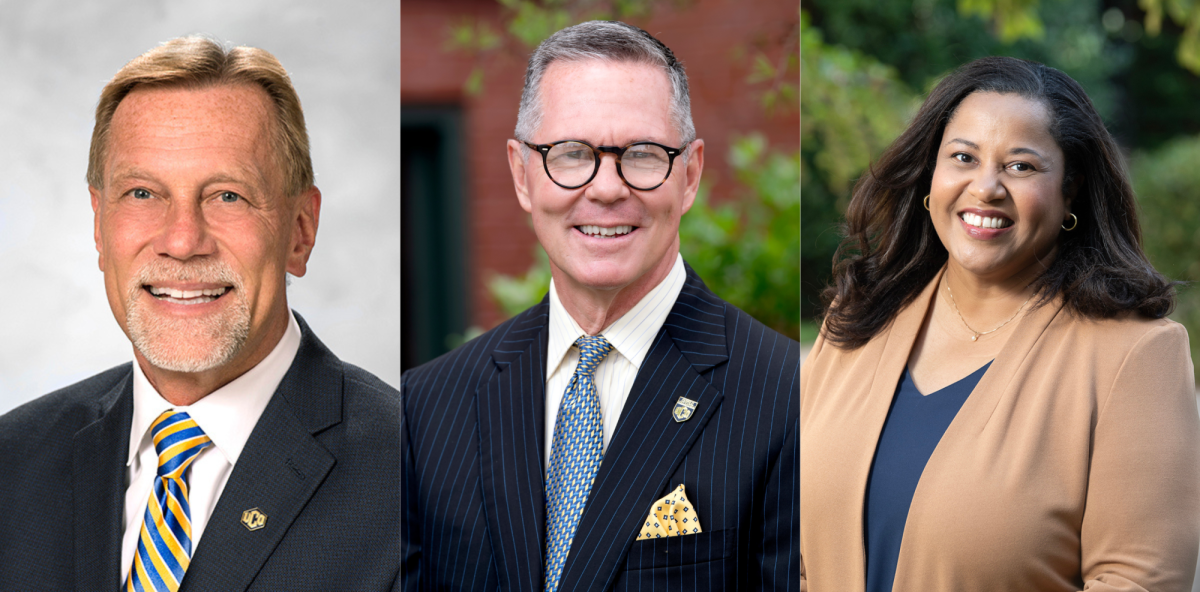
For Joe Hight, director of the Hall of Fame, the institution speaks to the broader purpose of journalism.
“It represents the importance of journalism in our lives. It represents the importance of the First Amendment in our lives. And it represents that there are individuals who still stand up for what’s right, what’s ethical, and what people need to know in our society,” Hight said.
He added that the hall’s location at UCO carries special meaning.
“You look throughout history at some of the names in this Hall of Fame, from Will Rogers to Ralph Ellison,” Hight said. “The university should feel fortunate that such an organization is on campus.”
The 56th annual induction ceremony is scheduled for 11:30 a.m. Thursday, May 14, in the Grand Ballroom of the Nigh University Center, followed by a reception in the Heritage Room. The class includes two Lifetime Achievement honorees and 10 additional inductees representing a range of journalism disciplines.
While the ceremony celebrates individual careers, Hight hopes the hall itself reminds students and working journalists of the lasting importance of their work.
“What you do is still important,” Hight said. “Journalism is still alive. Don’t believe those who say journalism is dead. It is still alive and still as important to this country as when it was founded.”
Looking ahead, Hight hopes that in 20 years the hall will continue to represent the same principles that guided its founding decades ago.
“When you walk into the museum, one of the first things you see is the First Amendment,” he said. “No matter who the president is or what government is in power at the time, free speech remains as a cornerstone of our democracy. These individuals represent that; this Hall of Fame represents that and will continue to represent it as long as it exists.”
This year’s induction continues that tradition. According to Hight, this class stands out among many strong classes in the hall’s history.
“Well, I think you have people in this year’s class who stood out as publishers, writers, innovators, individuals who led initiatives that helped train future journalists, and TV pioneers,” Hight said. “You’re talking about names here that are significant to journalism and journalistic history in the state.”
Recognized for innovation and national influence is the late Ed Turner, one of the founding executives of CNN who helped pioneer many hallmarks of modern cable news coverage. The class also highlights leaders in broadcast journalism. Lifetime Achievement honoree Gene Allen, an Oklahoma television pioneer, helped define early documentary storytelling, while Joyce Reed led major television newsrooms and coverage of historic events, including the Oklahoma City bombing.
Phil Rogers built a distinguished reporting career covering national and international events, and Patrick Spencer has spent decades guiding newsroom leadership and coverage at Oklahoma television stations.
Print journalism and newsroom leadership are also central to the Hall’s mission. Cindy Elliott Allen is being recognized for leading newspapers through periods of transformation and emphasizing local reporting. Kathryn Sherry McNutt’s career included decades of editing and mentoring journalists across multiple newsrooms, while H. Willis Choate III represents multi-generational community journalism through the Marietta Monitor. Veteran Tulsa World sportswriter Mike Brown is also being honored for decades of storytelling focused on athletes and local communities. Jason Collington, former executive editor of the Tulsa World, is being honored for his role in advancing digital journalism and audience engagement.
Inductee Russell A. LaCour’s work includes founding a National Association of Black Journalists high school program, and Lifetime Achievement honoree Michael Wallis is a nationally known nonfiction author whose work has appeared in major publications and influenced historical narrative journalism.
The inductees were selected from nearly 100 nominations through a multistep process involving a finalist committee and a selection committee composed of Hall of Fame members and representatives from diverse media backgrounds.
For Hight, the Hall’s significance ultimately returns to journalism’s role in society.
“If we do not value journalism as a fundamental part of our society, then we’ve lost one of the fundamental principles the Founding Fathers put into the Constitution,” Hight said.


