












- AI-generated content is eroding trust across the internet
- Social media feeds are filled with manipulated content.
- The rise of bots and automation mirrors the “dead internet theory.”
- Growing distrust may push audiences back toward physical media.
Two nights ago, I was looking for a YouTube video to put on as I fell asleep. The ad before the video was completely AI-generated. It was a plea to donate money to starving children. I doubted that would be where the money would go. The ad depicted children lying on the floor with their ribs showing through their skin.
I have seen AI-generated ads on YouTube before, but this one struck me differently. To see AI used to manipulate people on such sensitive subject matter made me feel uneasy. Every day, everything we see on the internet must be questioned for credibility, as AI has corrupted our trust in it. I believe we are arriving at a point where we won’t be able to trust anything from digital spaces.
The amount of AI content across the internet has spiked since the release of ChatGPT. According to a report done by search engine optimization firm Graphite, as of May 2025, AI-generated articles accounted for about 52% of articles published. Alarmingly higher than a preferable 0%.
But most people don’t get their information from articles anymore. They get it from social media. Any user of TikTok, Instagram, Twitter and especially Facebook has likely been duped by AI content. About 71% of images shared on social media are now AI-generated, according to SQ Magazine.
My brother and I have been discussing this for a while now. The billionaire tech moguls who hold the fate of this technology in their hands seem to only have one interest in mind when it comes to AI: growth. As that growth continues, the amount of AI-generated content we see in digital spaces will only increase. Coming across this “AI slop” daily has reduced the credibility of anything we see online and will continue to do so.
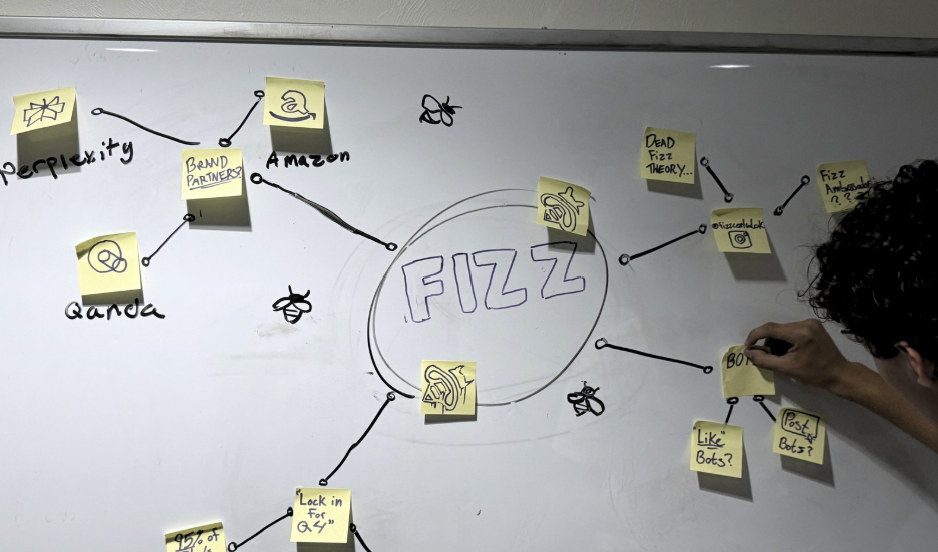
This trend has parallels with an internet conspiracy called “the dead internet theory.” The theory states that “since 2016, the internet has consisted primarily of bot activity and automated content manipulated by algorithmic curation.”
Internet bots have existed before AI, and the technology has only fueled that fire. The fiction of that theory is growing closer to reality. As that happens, going on social media or the internet will become pointless. These digital spaces are slowly becoming a stream of real and fake content that you have to endlessly decipher the credibility of.
If you care about being informed, the prospect of the digital world losing its credibility as a whole should be frightening. The closer we get to that, the more people will switch to physical media over digital. This can be seen in the younger generation’s increased interest in things like CDs, DVDs and vinyl. As physical media makes a comeback in entertainment, I believe that it will make a comeback in information.
I come from a family that includes one established journalist and one former journalist. They both started their careers in print newspapers, and I was raised in a household that got the paper the majority of my life. I have a respect for print journalism, and hope to build my career in that.
If I want to have a financially stable career, I probably couldn’t base that on a job in print journalism alone. But I believe we will arrive at a point where the only source you can trust is something that you can hold and see in front of you, and physical media will return as the new norm.


