









- Reporting by The Independent View has raised questions about how UCO’s media policies affect faculty, student organizations and student employees.
- In response to an open records request, the university provided a student confidentiality agreement rather than a housing-specific media policy for resident assistants.
- Legal experts say how UCO applies its media policy matters as much as what the policy says.
Since the creation of The Independent View, staff reporting has surfaced confusion over how the University of Central Oklahoma’s media policies affect faculty and student speech and press access on campus.
During reporting, The Independent View encountered instances in which faculty advisers for the Cold Case Club and the Native American Students Association were informed of interview requests involving their student members, raising questions about how media requests are typically handled. In the case of the Cold Case Club, University Communications was also made aware of the request.
University Communications said student members of registered university organizations are not required to receive approval to speak to the media. The office added that it is available to offer counsel or recommendations, but participation is voluntary.
In an open records request seeking media guidance for resident assistants, the university provided a confidentiality agreement used by the Office of Student Accountability and Conflict Resolution, rather than a housing-specific media policy. While the confidentiality materials outline limits on sharing protected student information, they do not address how resident assistants should respond to media requests or whether such requests require coordination with University Communications, adding to uncertainty about how media-related guidance is communicated to student employees. The Independent View followed up with the Open Records office to request additional records and clarification but did not receive a response by the publication deadline.
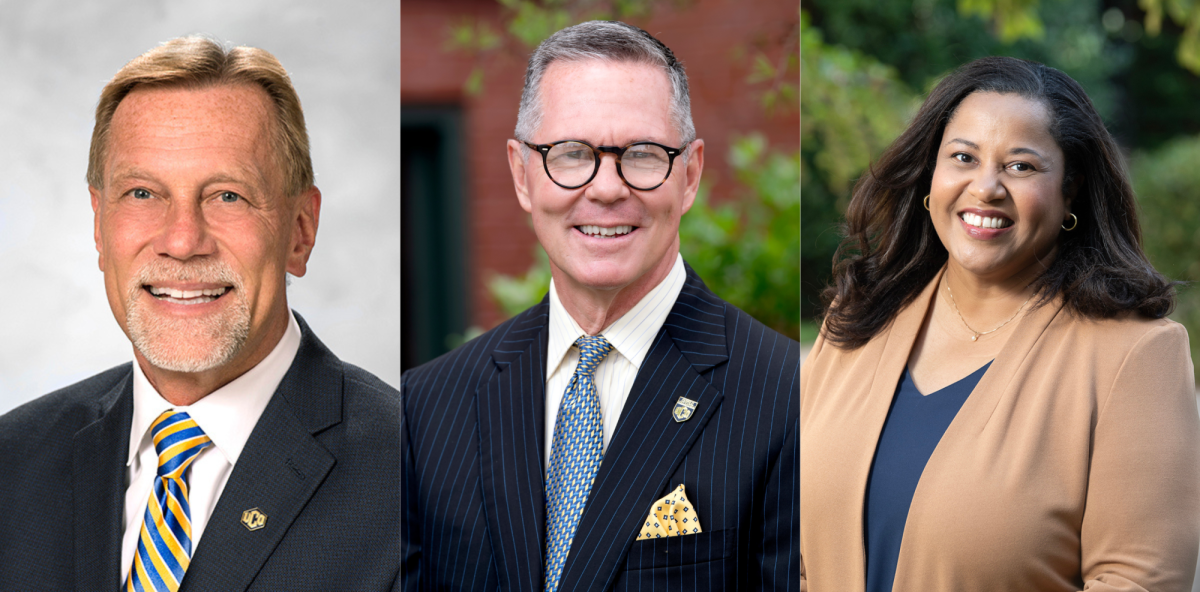
The Independent View also obtained UCO’s faculty media policy through an open records request. The policy states that “any faculty or staff speaking to the media as a representative of the university or subject-matter expert as a representative of UCO should notify vice president for communications and public affairs Adrienne Nobles and/or assistant vice president for university communications Deirdre Steiner before the interview.” It states the goal is to ensure Communications is aware of media activity on campus and to help prepare interviewees for potential questions and issues that may arise, and it encourages professors willing to serve as subject-matter experts to contact Steiner with the subjects they are willing to speak on.
To better understand how the faculty media policy’s language is interpreted, The Independent View contacted the Student Press Law Center’s Legal Hotline.
Mike Hiestand, senior legal counsel at the Student Press Law Center, said UCO’s use of the word “should” instead of “must” is “notable.”
“On its face, ‘should’ is typically read as advisory rather than mandatory,” Hiestand said. “That wording can matter legally, because a truly mandatory prior-approval requirement for faculty speech would be far more vulnerable to a First Amendment challenge.”
Hiestand said that courts often look beyond wording alone and instead examine real-world effects. While universities have broad authority over official messaging, such as press releases, he said they have “far less authority to require prior-approval or notification when faculty speak independently to the press about matters of public concern.”
Hiestand added that even policies framed as coordination can raise constitutional concerns if they are applied in a way that pressures faculty not to speak or carries professional consequences.
“Even a ‘soft’ or nominally voluntary policy can become constitutionally problematic if faculty are pressured not to speak, told they may not speak without permission or face retaliation or professional consequences for declining to involve communications staff,” Hiestand said.


