












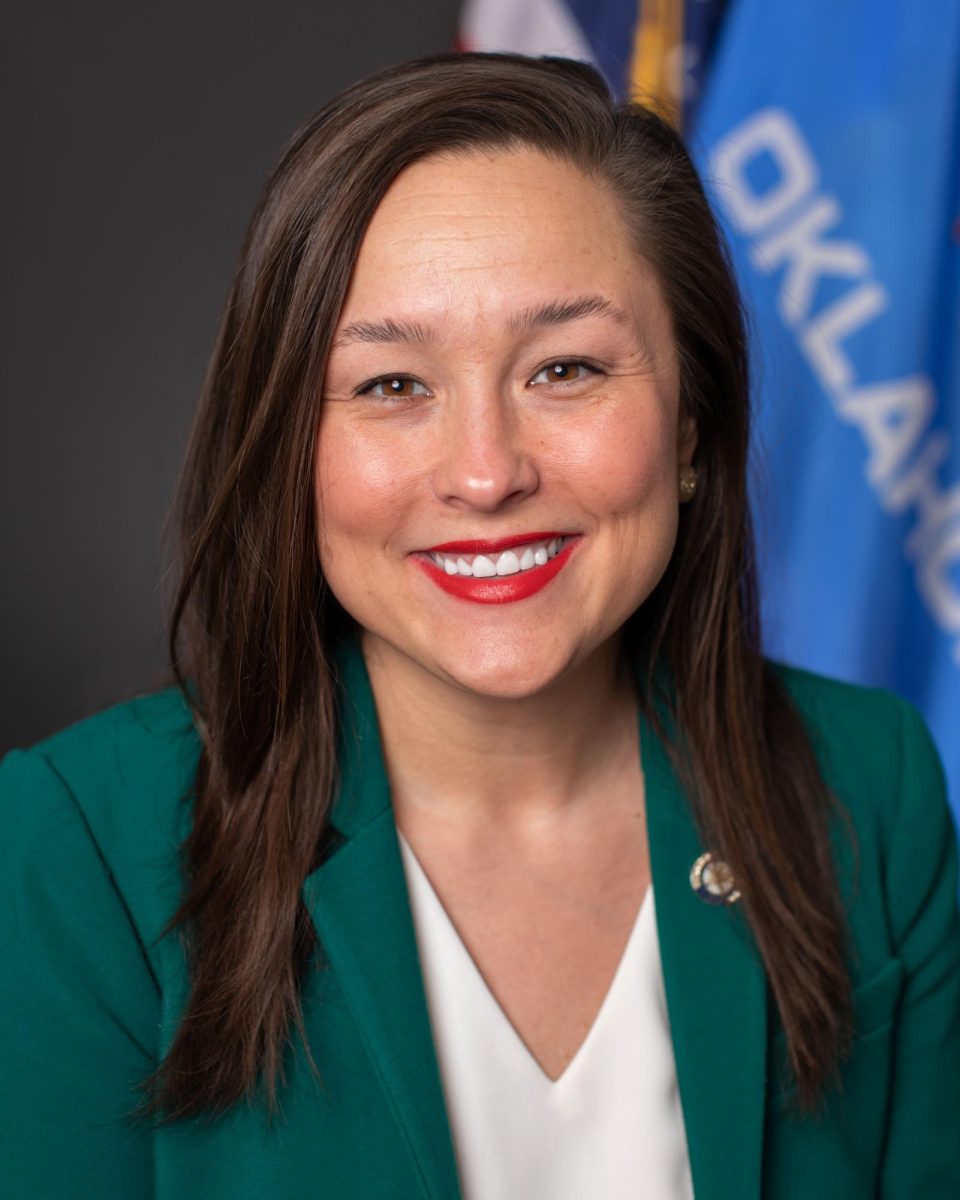


- Governor Kevin Stitt signed two executive orders involving higher education
- One of these would require the State Regents for Higher Education to assess workforce outcomes, including wages and geographical locations
- These assessments would play into the Regents decisions on the modification or “sunsetting” of certain degrees
- The executive order also calls for a study on the feasibility of accelerated, ninety-hour degrees
- The second executive order changes how tenure works; regional universities such as UCO could no longer offer lifelong tenure
Governor Kevin Stitt has signed two executive orders involving higher education.
Executive Order 2026-08 calls for the Oklahoma State Regents of Higher Education to develop a “Performance Based Funding Plan” that would “maximize the State’s return on investment for funds appropriated to Higher Education.”
Part of this funding plan would require the Regents to work with the Oklahoma Employment Security Commission “and other relevant state agencies” to improve the analysis of educational outcomes, by assessing the total amount of wages earned and hours worked , the job classifications of graduates and the geographical location of graduates’ workplaces.
This executive order requires the PBF plan to be finalized by no later than October 1, 2026, and for it to be implemented by the following academic year.
According to okhighered.org, the Oklahoma State Regents for Higher Education’s website, 91% of Oklahoma college graduates start their careers in state within a year of graduation.
Executive Order 2026-08 also calls on the Regents to perform a study on the feasibility of implementing accelerated bachelor’s degrees that would be 90 hours, compared to the current standard of 120 hours as defined by the Regents website.
The study would assess what degrees an accelerated path would be appropriate for, what effect accelerated degrees would have on affordability, “consideration of accreditation and student transferability implications” and recommended changes that would help implement accelerated degree paths.
The study would be required to be submitted to the governor, the Speaker of the House of Representatives and the President of the Senate no later than 90 days after its approval.
The executive order also requires the Regents to consider wage and employment outcomes when “approving new academic programs, reviewing existing programs or evaluating when to continue, modify or sunset academic programs at public institutions of higher education.”
The other Executive order, 2026-07, changes how tenure works at both regional and research universities. ‘Research’ universities are defined as any public university with a “Research 1” classification from the Carnegie Classification of Institutions of Higher Education, and ‘regional” universities are public universities that do not meet research university requirements. UCO is classified as a regional university.
Regional universities would no longer be able to grant lifetime tenure. Instead, all tenured professors would have fixed durations and would be able to renew their contracts. Whether a professor was granted a renewal of their tenure would depend on an evaluation of their effectiveness as a teacher, student completion outcomes, “alignment with workforce and Oklahoma economic needs, where applicable” and their “institutional service.”
Tenure agreements that existed before Executive Order 2026-07 “shall remain in effect subject to post-tenure review as permitted by law.”
Tenure at research universities would be reevaluated every five years, and would require professors to demonstrate “performance aligned with the Research University’s mission, instructional responsibilities, and public service obligations.”
Oklahoma executive orders can be overturned if they violate state statute or the Constitution. Oklahoma executive orders also automatically expire 90 days after a new governor takes office unless they are purposely continued. The Oklahoma legislature can also pass laws that go against Executive Orders.
The full text of both executive orders can be read here and here.
Editor’s Note: This story was updated to correct an error that identified CLA Dean Elizabeth Maier as a member of the Oklahoma State Regents of Higher Education.
