



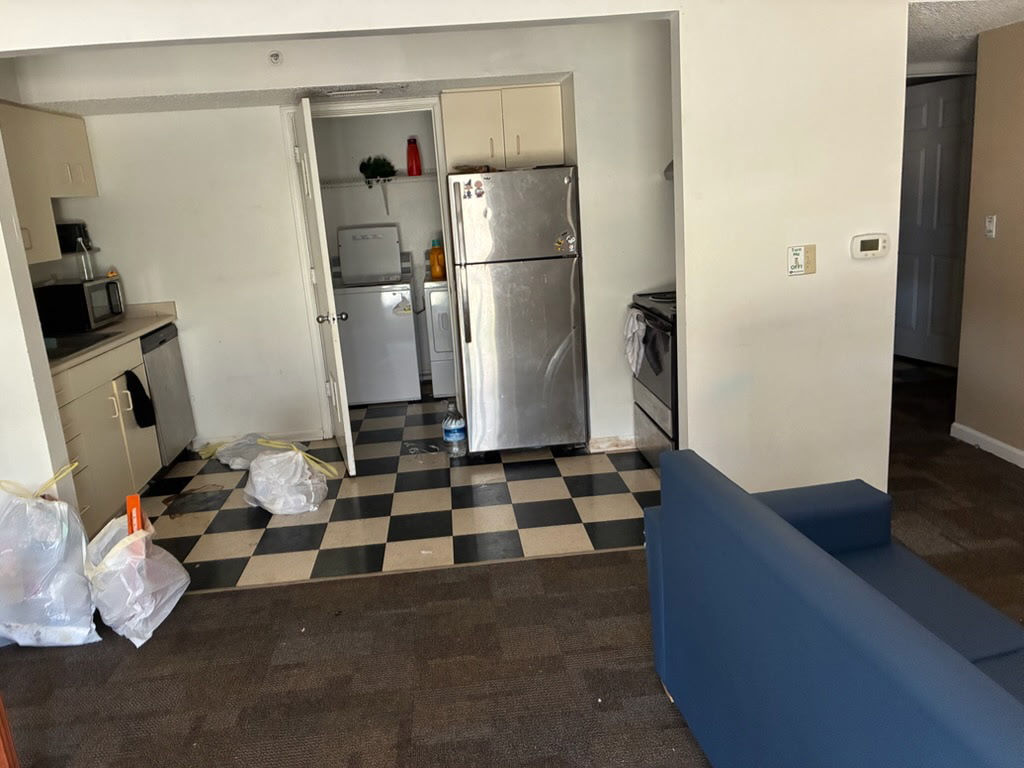








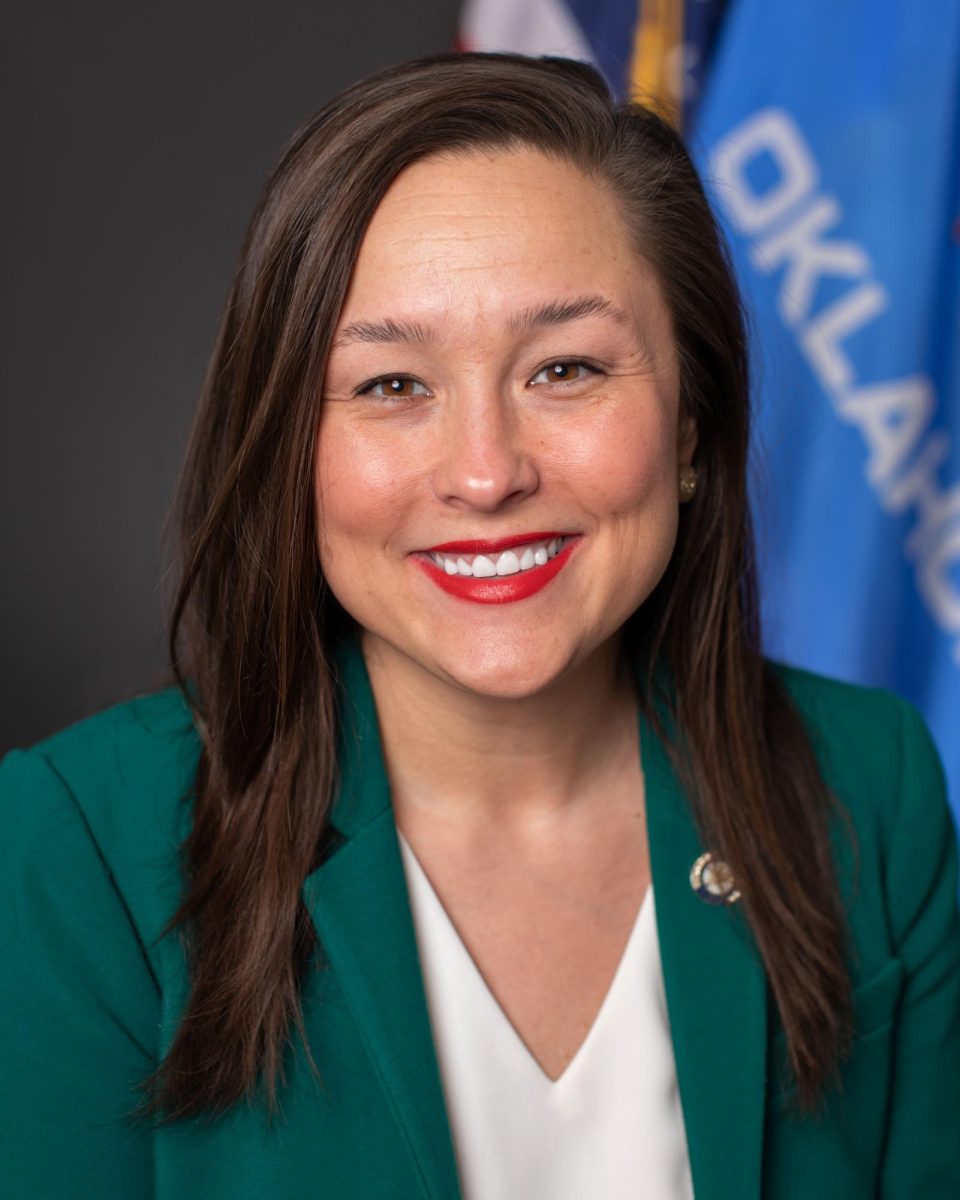


- On Feb. 2, the start of the legislative session, Oklahoma high school and college students connected with the Young Americans for Liberty organization went to the Capitol to deliver petitions in favor of HB 2197 to lawmakers
- HB 2197 would make it illegal for “research universities” to require students to have meal plans
- College meal plans cost on average $2,280 per semester
At the start of Oklahoma’s legislative session Feb. 2, Young Americans for Liberty South Regional Director Trenton Rippy led a group through the Capitol to deliver petitions to lawmakers. Most were college students; others were high school or homeschooled students, but they all shared a common goal: ending mandatory college meal plans.
The movement is backed by Young Americans for Liberty, which describes itself as “the largest grassroots liberty organization on America’s college campuses.”
The legislation YAL is advocating for, House Bill 2197, is known as the “Making College More Affordable Act.” The bill would prohibit Oklahoma research universities from requiring meal plans as a condition of enrollment or residency in campus housing, shifting meal plan decisions from institutional policy to student choice.
Universities that require meal plans often argue that the policies help maintain stable dining operations, support residential programming and ensure consistent access to food services.
According to the Education Data Initiative, college meal plans average $581 a month. That totals about $2,280 over a four-month semester.
At The University of Central Oklahoma, students living in West Hall, University Suites, Murdaugh Hall and the Quad are required to purchase meal plans. The prices for residential meal plans range from $1,950 to $2,825 per semester.
The effort centers on direct outreach, Rippy said. “We go out on campuses and we talk to constituents and voters,” he said. “We pitch, ‘Do you think meal plans should be mandatory?’ If they say, ‘No, I don’t think so,’ we collect those names, format them into petitions and deliver them straight to the office.”
Participants were thinking ahead to their financial prospects as they prepared for college, he said.
“Are they going to be hindered by a burden of debt?” Rippy said. “Are they going to have that ability to choose what they want to eat and where they want to spend their money?”

Rippy, who recently graduated from Oklahoma City Community College, said he originally planned to attend the University of Oklahoma but was unable to because of mandatory meal plan costs and the requirement that OU freshmen live on campus.
“I can’t afford that. I couldn’t get any FAFSA help, either, because of how the fine lines were drawn,” Rippy said. “I was pretty distraught.”
He joined Young Americans for Liberty in 2024 as the state chair for Oklahoma. “I didn’t like what other people my age were doing as far as political activism goes, because it felt like your only path is to go be a page or someone else’s puppet. And that’s just not how I roll,” Rippy said.
YAL began petitioning last year. “Last time we were out here, we only had 15 people,” Rippy said. “Now we’ve got about 40 to 50 students taking time out of their day on a Monday to come out here and fight for what’s right and represent all college students.”
The bill must advance out of committee and pass both legislative chambers before reaching the governor’s desk. “It passed the House and is now in the Senate Education Committee,” he said. “We’re going to continue pushing and making our voices heard.”
Rippy said he is “pretty confident” Gov. Kevin Stitt will sign the bill into law if it reaches his desk.
Heather Boss, a Republican candidate for state Senate District 24, joined YAL as they handed out petitions at the Capitol. Boss said YAL is doing “wonderful things.”
“They’re passionate young people who want to see change and reform in our government and legislation, and they’re not going to stop until somebody is listening to them,” Boss said.
Boss, a parent of four and a former educator, said she’s familiar with how expensive college meal plans can be.
“It’s a strain on your budget, especially when you’re trying to pursue something that is going to fuel your income for years to come,” Boss said. “Mandatory meal plans are not necessary, and having the option to opt in or opt out is what is needed to help cut costs for the students who want to go to school and further their education.”


