








- Several high-profile allegations of student press suppression were made against universities in 2025, including UCO.
- Student journalists are real journalists and have protections and resources available to them.
- FIRE and SPLC say censorship is not always blatant and prevention is key.
- Jim Rodenbush, former director of student media at Indiana University, speaks about defending student press freedom.
Student newspapers across the country made headlines in 2025 amid claims of censorship. At Indiana University, the director of student media was fired after refusing to implement a sudden digital transition he believed amounted to censorship of student journalists.
The University of Texas at Dallas removed all 43 racks of the independent student newspaper The Retrograde from campus, returning only four after public backlash. The University of Alabama shut down two student-run magazines, alleging they used “unlawful proxies” related to race and gender. At the University of Central Oklahoma, The Vista also drew scrutiny following a sudden shift away from regular print publication.
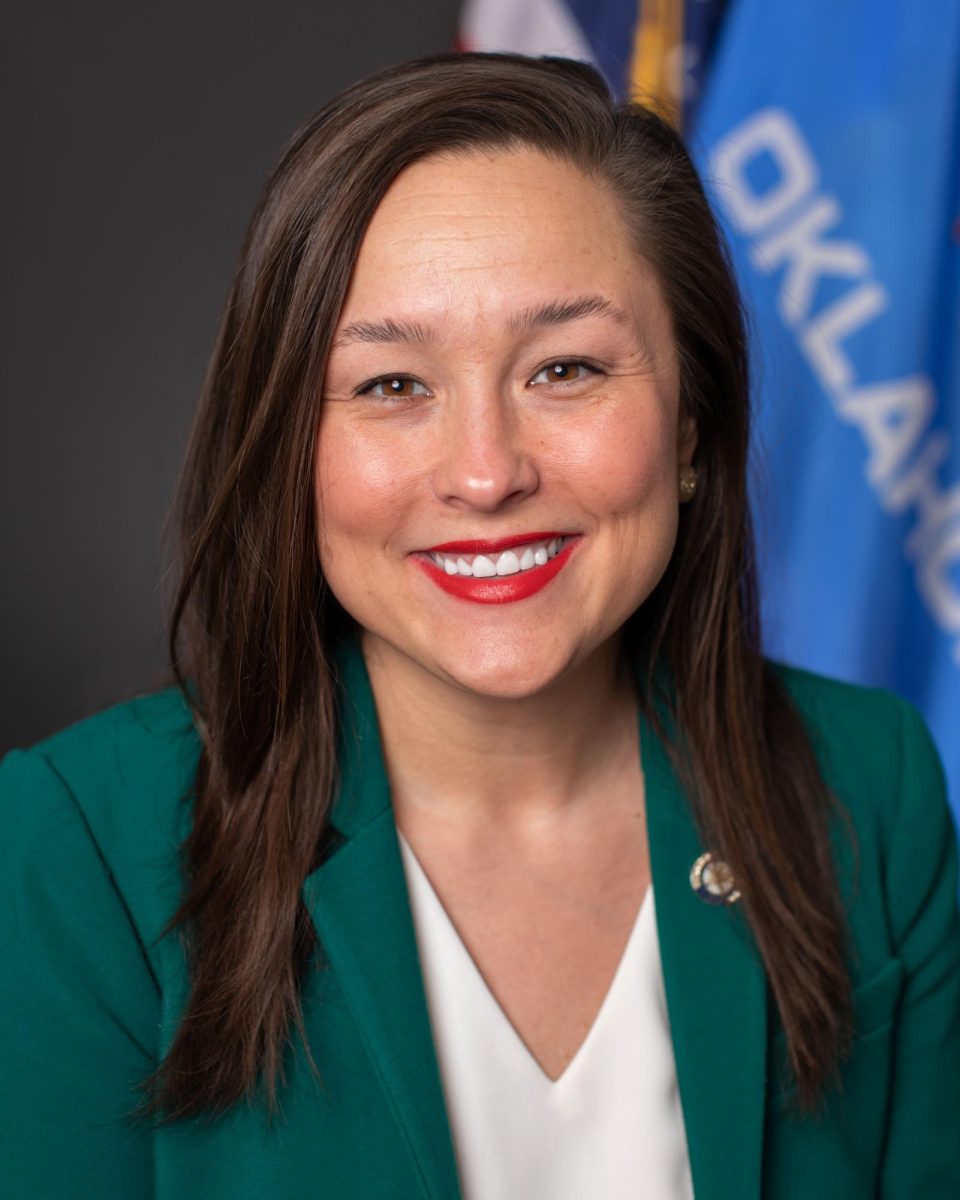
“The last year for the student press has brought the issue of censorship to the forefront of our conversations about student media,” said Marie McMullan, student press counsel at the Foundation for Individual Rights and Expression.
Jim Rodenbush, who served as director of student media at Indiana University for seven years, spoke in an interview with The Independent View on the events that led to his dismissal.
He said that in spring 2025 he was presented with a “student media action plan” that changed the Indiana Daily Student’s print schedule from weekly to biweekly and emphasized printing only special editions, such as sports previews or welcome-back issues.
“They continued to publish these special editions inside regular copies of the newspaper, which was how they had traditionally been published.”
During the spring semester, he said a supervisor told him the provost was “concerned” about still seeing the regular edition of the IDS on newsstands. The situation escalated when classes resumed in the fall.
“By the time we were in our third or fourth edition of the fall, that was when the temperature turned up,” Rodenbush said. He said he was called into a meeting and asked why the IDS still contained regular news stories. According to the IDS, Rodenbush emailed the paper’s co-editors-in-chief saying he had been ordered to ensure the next edition contained only Homecoming information — “no other news at all and particularly no traditional front-page news coverage.”
“I began to push back on that and talked about the idea that this is censorship. The response at the university level was to fire me,” Rodenbush said.
McMullan said that while censorship is never ideal, high-profile cases such as Rodenbush’s can serve a purpose.
“Attention is a valuable commodity. If there was a silver lining, it’s that these conversations are happening and we are gathering attention that otherwise would have been more difficult to get,” she said.
She added that the broader concern extends beyond individual cases.
“If student journalists aren’t allowed to have true editorial independence, what news can truly be disseminated without questions of interference? We need editorial independence like professional newspapers because it’s not just about respecting the expressive rights of students. It’s also about maintaining integrity in their journalism,” McMullan said.
Censorship, she said, often appears gradually through policy changes or structural shifts rather than outright bans. Sudden digital transitions can serve as warning signs.
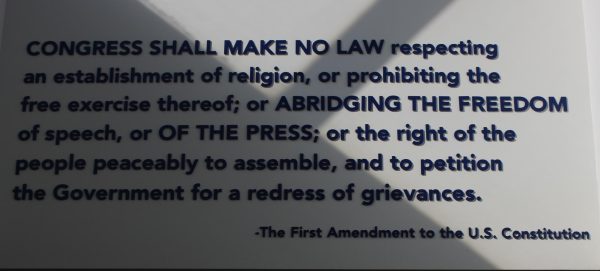
Mike Hiestand, senior legal counsel at the Student Press Law Center, echoed the sentiment that administrative censorship isn’t always blatant.
“You’re targeting advisors, budgets and the structure of student media. Who makes up the student media board? You’re targeting how often they can publish. It’s a creative effort to get around what is otherwise a very clear law protecting student media,” Hiestand said.
Rodenbush advised student journalists fearing retaliation to understand their rights and learn about available resources.
“It’s important for people to understand what their rights are, because you will be dealing with universities that either don’t know or don’t care. There’s a certain amount of bravery journalism requires these days, but as long as you’re aware of your rights and know who your support people are, that gives you a fighting chance.”


